
How to Overcome Fear, Stress, & Discomfort
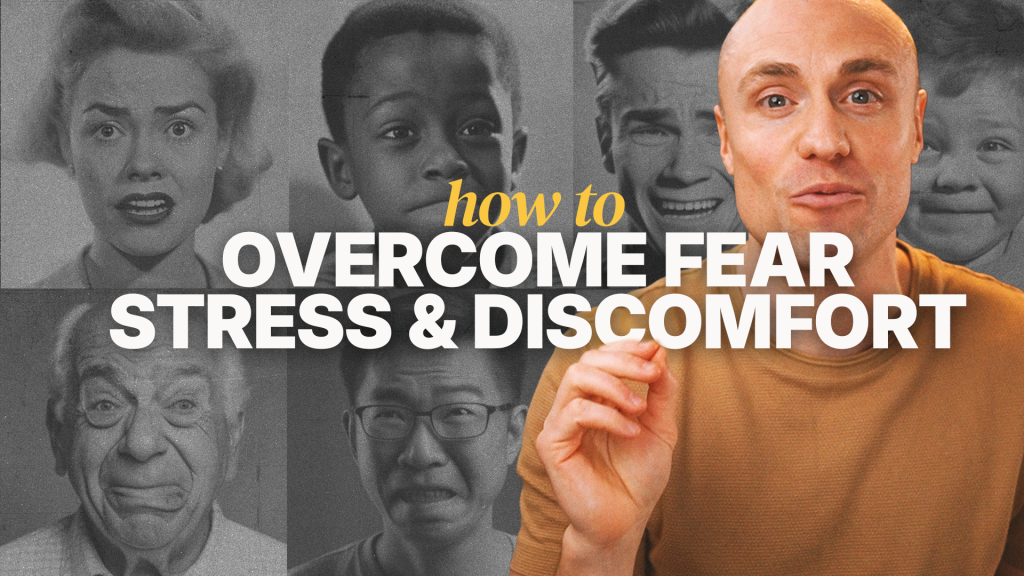
A simple mindset shift can improve the way we learn, perform under pressure, and deal with stress.
Fear, stress, and discomfort are often barriers to learning and performance.
The good news: we can change that.
Research shows that by shifting our mindset towards stress — embracing it rather than avoiding it — we can improve learning, health, performance, and decision-making. Whether it’s speaking in public, taking an exam, or handling everyday challenges, these strategies are practical and immediately applicable.
Jeremy Jamieson is an Associate Professor of Psychology at the University of Rochester. His research focuses on stress, emotion regulation, and social evaluation. He is known for his work on stress reappraisal, which examines how changing the way we think about stress can improve performance and well-being.
Alison Wood Brooks is the O’Brien Associate Professor of Business Administration at Harvard Business School. Her research delves into how emotions influence decision-making and performance. She is particularly recognized for her studies on anxiety, stress, and how reframing these emotions can lead to better outcomes in high-stakes situations.
Susan David is a psychologist on the faculty at Harvard Medical School and the author of the bestselling book “Emotional Agility.” Her work centers on emotional resilience, personal growth, and how individuals can harness their emotions to thrive in the face of challenge and change.
Kelly McGonigal is a health psychologist and lecturer at Stanford University. She is known for her work on the psychology of stress and how mindset can transform stress from a threat into an opportunity for growth. Her TED Talk, “How to Make Stress Your Friend,” has been viewed millions of times and has helped reshape how we understand stress. Her book “The Upside of Stress” is fantastic.
Ali Crum is an Associate Professor of Psychology at Stanford University, where she directs the Stanford Mind & Body Lab. Her research explores how mindsets—thoughts, beliefs, and expectations—shape the outcomes of stress, health, and performance. She has been a pioneer in studying how a positive mindset towards stress can enhance well-being and productivity.
Marc Brackett is the founding director of the Yale Center for Emotional Intelligence and a professor at Yale University. He is the author of “Permission to Feel” and is renowned for his work on emotional intelligence and its critical role in personal and professional success. His research emphasizes the importance of understanding and managing emotions to foster better learning and relationships.
Takeaways
-
1
How we think about stress impacts how we deal with it
-
2
Suppressing stress Usually makes it worse
-
3
Understanding & accepting Helps us deal with the situation more effectively
-
4
Caring + Uncertainty = Discomfort Every time.
Cited in this video
-
01
Jeremy Jamieson Turning the knots in your stomach into bows: Reappraising arousal improves performance on the GREOpen →
-
02
Ali Crum Rethinking stress: The role of mindsets in determining the stress response.Open →
-
03
Alison Wood-Brooks Get Excited: Reappraising Pre-Performance Anxiety as ExcitementOpen →
How to Get Better Faster
Not all learning is created equal. Two people can attend the same class, meeting, or practice yet walk…

Learning Like a Jungle Tiger
To become a great learner we must be willing to venture outside our comfort zone and struggle a…
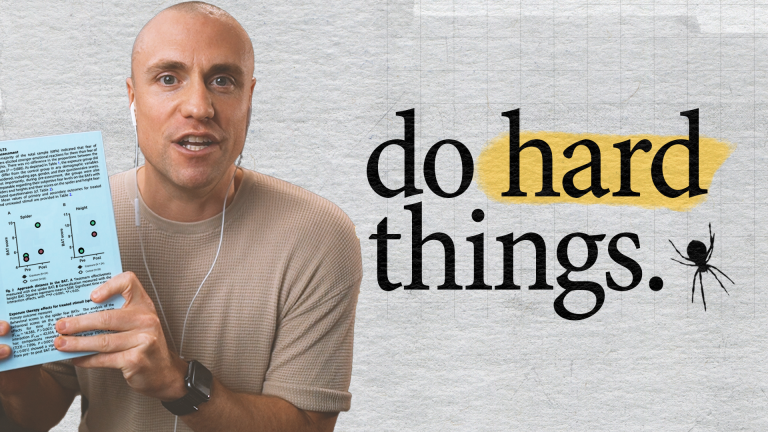
Do Hard Things
New research highlights the significance of tackling challenging tasks. It suggests that facing discomfort is a skill that…

Trevor Ragan.
I run The Learner Lab. I dig into the research on how we learn and turn it into essays, video essays, and podcast episodes you can actually use. The whole point: help you get better at getting better.